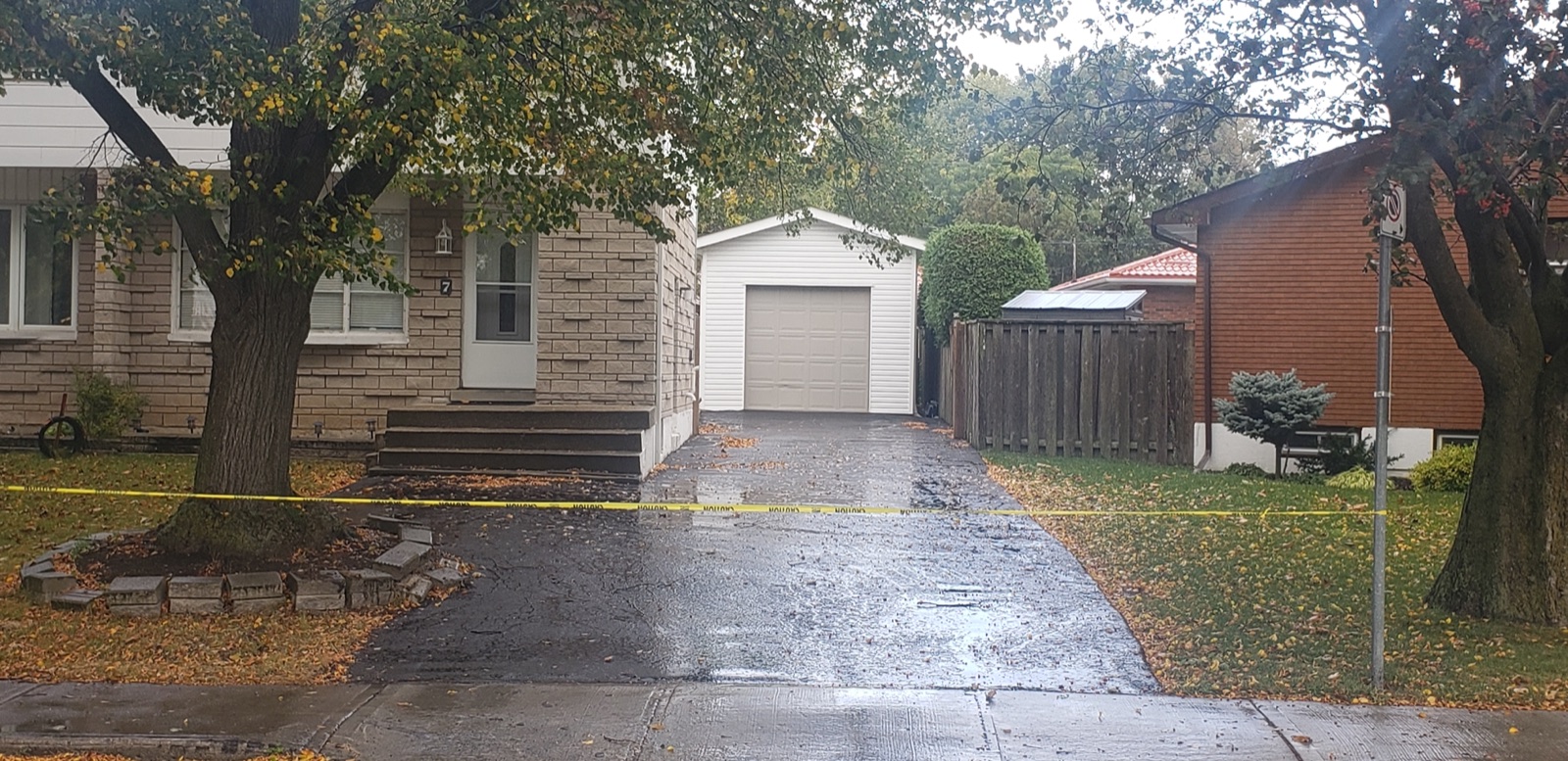
Water is the number-one cause of property damage in Hamilton — and most of it is preventable. Poor grading that slopes toward a foundation, inadequate drainage on a driveway or parking lot, or a low spot in the backyard that collects water for days after every rain — these are all problems that get worse every year they're left unaddressed, and they all have solutions.
Understanding what causes drainage problems and what the right fix looks like is the first step. Here's a comprehensive guide to residential and commercial drainage in the Hamilton area.
Warning Signs of a Drainage Problem
- Standing water in your yard or parking lot after rain
- Water pooling against your foundation or garage slab
- Basement dampness or water infiltration after heavy rain
- Lawn areas that are perpetually soggy or slow to dry
- Erosion channels where water flows across the yard
- Pavement heaving or settling, often from saturated subgrade
- Dead grass in low-lying areas from root oxygen deprivation
The Core Problem: Grading
Every drainage problem starts with grade — the slope of the ground surface. The general rule for residential properties is that the grade should slope away from the house at a minimum 2% gradient (1/4 inch per foot) for the first 6 feet from the foundation, and maintain positive slope to a drainage outlet from there.
Hamilton's construction boom over the past 20 years has left many properties with poor original grading — either from settlement after construction, improper backfill around foundations, or adding landscaping features without accounting for drainage impacts. The fix is almost always regrading — removing soil, reshaping the surface, and replacing it at the correct elevations.
Drainage Solutions: Matching the Fix to the Problem
Regrading & Swales
The simplest drainage fix is often regrading — reshaping the ground surface to direct water where it should go. Swales (shallow, gently graded channels) are created in the landscape to carry surface water from low points to an outlet (street, rear yard, catch basin).
Best for: General yard drainage, surface water routing, foundation grading correction, post-construction settlement issues.
French Drains
A French drain is a perforated pipe buried in a gravel-filled trench, designed to intercept subsurface (groundwater) or surface water and redirect it away from problem areas. The perforated pipe allows water that has infiltrated the soil to enter the drain and flow to a daylight outlet or catch basin.
Installation process:
- Excavate a trench at the required depth and slope (minimum 1% grade toward outlet)
- Line the trench with geotextile filter fabric to prevent soil migration into the gravel
- Place 4–6 inches of clear stone (washed gravel) in the trench
- Lay the perforated 4-inch drain pipe (holes facing down) on the gravel bed
- Cover with additional clear stone to within 6 inches of surface
- Fold fabric over the gravel to cap, then backfill with topsoil and restore surface
Best for: Intercepting hillside groundwater, dewatering soggy lawn areas, relieving hydrostatic pressure against foundation walls.
Catch Basins
A catch basin (also called a yard drain or area drain) is a precast concrete or heavy-duty plastic box with a grated cover, set flush with the ground surface. Surface water flows into the catch basin through the grate, and is piped underground to a street storm sewer connection or daylight outlet. Catch basins collect debris (silt, leaves) in the basin sump before it enters the drain pipe, reducing clogging.
Best for: Low points in driveways, parking lots, and yards where water concentrates. Also used at the base of downspout extensions to capture roof runoff.
Downspout Extensions & Pop-Up Emitters
Many Hamilton homes have downspouts that discharge directly against the foundation — one of the most common causes of basement moisture. The fix is straightforward: extend the downspout with underground solid pipe to a pop-up emitter outlet 6–10 feet from the foundation. The pop-up emitter stays closed when dry (preventing debris and pests from entering) and opens under flow pressure when active.
Dry Creek Beds
For properties with defined water flow paths — especially hillside lots — a dry creek bed (decorative rock channel) provides an attractive, functional route for surface water to flow without eroding the soil. The rock armours the channel surface against erosion while the landscaping-friendly appearance blends naturally into the yard.
Commercial Drainage: Parking Lot Considerations
Commercial parking lots have strict drainage requirements because large impervious surfaces concentrate enormous volumes of runoff. Proper commercial lot drainage involves:
- Minimum 1.5–2% cross-slope across all paved areas to move water to collection points
- Catch basins at low points, spaced per engineering calculations
- Storm sewer connections to municipal infrastructure (permit required)
- Oil/grit separators where vehicle traffic is heavy (required in many municipalities)
- Permeable paver sections in some areas to reduce total runoff volume
The Cost of Ignoring Drainage
Drainage work isn't glamorous, and it's easy to defer. But consider what poor drainage costs over time:
- Foundation waterproofing: $10,000–$50,000+
- Basement mould remediation: $5,000–$30,000+
- Pavement replacement from base failure: $5,000–$50,000+ (commercial)
- Dead lawn resodding: $1,500–$10,000+
A properly installed French drain or regrading job costs a fraction of any of those remediation costs — and prevents them from happening in the first place.
Have a Drainage Problem?
We assess and solve drainage problems for residential and commercial properties across Hamilton and surrounding communities. Contact us for a free on-site drainage assessment.
Get a Free Assessment Our Landscaping Service